Client Overview
Initial Value
$8,500 (equipment installation and training)
Year 1 Value
$42,600 (recording services, equipment, post-production)
Lifetime Value
$115,000+ (2-year partnership and growing)
Additional Value
Artist attraction, technical staff development, content library asset
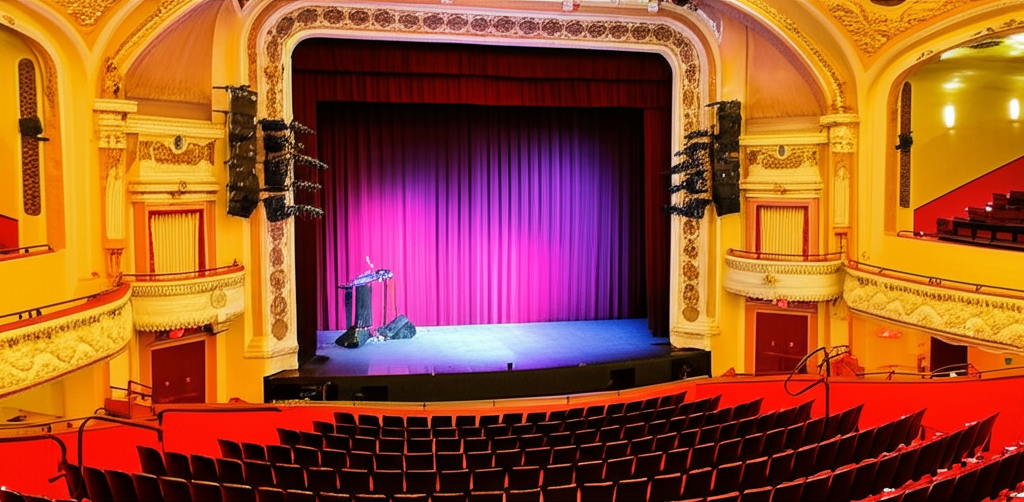
Metro Theater
Historic Performance Venue
Downtown Arts District | 180+ performances annually
Client since: 2021
The Challenge
Metro Theater, a beautifully restored 1920s venue in the heart of the city's arts district, had established itself as a premier destination for live performances. However, the theater faced increasing competition from newer venues and struggled to differentiate its offerings and maximize revenue from its historic space. Despite hosting exceptional performances, these artistic moments were ephemeral—gone once the curtain fell. Management recognized the untapped potential to capture and leverage these performances, but lacked the technical infrastructure and expertise to implement a professional recording program. Previous attempts at recording had been ad hoc, resulting in inconsistent quality and limited usability.
The Solution
Through a comprehensive partnership with Elemental Sound, Metro Theater implemented a sophisticated venue recording program that transformed their business model. The solution included the design and installation of a permanent, minimally invasive recording infrastructure that preserved the venue's historic character while enabling high-quality audio capture for any performance. This was complemented by staff training, on-demand engineering support, post-production services, and a revenue-sharing model for content distribution. The program created new value for performing artists, generated additional revenue streams, differentiated the venue from competitors, and created an invaluable archive of performances that enhanced the theater's cultural significance.
"Our theater has always been about creating magical moments. Now, with Elemental Sound's help, we're not just creating those moments—we're capturing, preserving, and sharing them in ways that benefit our venue, our artists, and our community. It's opened up entirely new dimensions for us as a cultural institution."
Venue Background
Built in 1928 as a vaudeville and silent film house, the Metro Theater underwent a comprehensive $4.2 million restoration in 2011, preserving its Art Deco charm while updating its technical capabilities. The venue's reputation for exceptional acoustics makes it particularly beloved by musicians and audiences alike. Under the leadership of Executive Director Rebecca Chen and Technical Director Marcus Williams, the theater hosts approximately 180 performances annually across multiple genres, including indie and jazz concerts, theatrical productions, comedy, spoken word, and cultural events.
Venue Operation
The theater operates as a nonprofit cultural institution with a full-time staff of 12 and numerous part-time employees and volunteers. Revenue sources include ticket sales, rental fees, concessions, memberships, and grants. The intimate 850-seat space features a mix of orchestra and balcony seating, with exceptional sightlines and acoustics. The venue is equipped with a modern lighting system, a house sound system, and a recently updated backstage area. While most performances are single-night engagements, the theater also hosts several festival events and recurring series throughout the year.
Pain Points
- Missed Opportunities: Unable to capture unique performances happening in their space
- Revenue Limitations: Traditional venue revenue streams (tickets, concessions) were approaching ceiling
- Artist Attraction: Needed additional value proposition to attract premier touring performers
- Technical Constraints: Lacked recording infrastructure that wouldn't compromise historic aesthetics
- Expertise Gap: Staff had live sound experience but limited recording and production knowledge
- Market Differentiation: Faced increasing competition from newer, tech-equipped venues
Goals
- Create new revenue streams beyond traditional venue income sources
- Develop a distinctive offering to attract high-caliber touring artists
- Build an archival program to document the venue's cultural contributions
- Implement recording capabilities without compromising venue aesthetics
- Upskill existing technical staff with recording and production capabilities
- Establish a content strategy to enhance marketing and audience development
Metro Theater's Journey with Elemental Sound
Discovery Phase
The seed for partnership was planted when the theater's Technical Director, Marcus Williams, attended an audio engineering workshop hosted by Elemental Sound. Impressed by their understanding of both technical requirements and artistic considerations, he arranged an initial consultation to explore recording possibilities for the venue.
"I was particularly concerned about protecting the theater's historic character and perfect acoustics," explains Marcus. "Previous vendors had proposed solutions that would have been visually intrusive or potentially altered our carefully balanced sound. Elemental Sound was the first team that truly understood the importance of preserving the venue's essence while enhancing its capabilities."
The theater's leadership team was initially hesitant about the investment, concerned about the potential disruption to their busy performance schedule and uncertain about the return on investment. These concerns dissolved when Elemental Sound presented case studies from similar venues and outlined a phased implementation approach designed to minimize disruption and validate the concept before full-scale deployment.
Key Insights
- Historic venues require specialized approaches that respect architectural integrity
- Technical staff can be valuable champions for innovation when properly engaged
- Clear ROI projections and phased implementation reduce resistance to investment
- Case studies from similar venues provide powerful validation
Initial Engagement
The partnership began with a comprehensive assessment of the venue's recording potential. This included:
- Acoustic analysis of the theater space to identify optimal microphone placement
- Inspection of existing sound infrastructure to determine integration possibilities
- Historical review of the venue's architecture to ensure preservation compliance
- Stakeholder interviews with staff, board members, and regular performers
- Technical survey of control room space options and signal routing requirements
Based on this assessment, Elemental Sound proposed a two-phase approach: an initial proof-of-concept using portable equipment for selected performances, followed by the design and installation of a permanent, minimally invasive recording infrastructure if the concept proved successful.
"The assessment process itself was eye-opening," notes Rebecca Chen, Executive Director. "It wasn't just a technical evaluation—they helped us think through the business model, artist relationships, legal considerations, and content strategy. This comprehensive approach gave us confidence that we were making a sound investment in our future."
Key Insights
- Thorough venue assessment creates foundation for successful implementation
- Proof-of-concept approach reduces risk and builds stakeholder support
- Historic venues require specialized expertise beyond standard recording knowledge
- Business model development should parallel technical implementation planning
Service Utilization
Months 1-2: Proof of Concept
The initial proof-of-concept phase utilized Elemental Sound's mobile recording service for six carefully selected performances representing different genres and technical requirements. For each recording, Elemental Sound:
- Coordinated with artists and secured necessary rights clearances
- Deployed a temporary recording setup integrating with the house system
- Documented optimal techniques for the venue's unique acoustic properties
- Created professional mixes for artist and venue evaluation
- Gathered feedback from all stakeholders to refine the approach
"The proof-of-concept recordings exceeded everyone's expectations," Marcus recalls. "Artists were amazed by the quality, and many immediately asked about purchasing the recordings or using excerpts for promotion. That's when we knew we had something valuable."
Months 3-4: Infrastructure Development
Following the successful pilot, Metro Theater and Elemental Sound proceeded with the design and installation of a permanent recording infrastructure. This included:
- Installation of discreet, permanently mounted microphones preserving venue aesthetics
- Creation of a compact recording control room in an underutilized storage area
- Integration with the existing house sound system to enable simultaneous live and recording operation
- Implementation of a flexible digital audio networking system for future expansion
- Development of standardized recording procedures and documentation
"I was amazed at how they managed to install such a sophisticated system with virtually no visible impact on our historic space," says Rebecca. "Audience members and even many performers don't realize the recording capability exists until we tell them."
Months 5-8: Staff Development and Program Implementation
Once the technical infrastructure was in place, focus shifted to building internal capacity and launching the formal recording program:
- Comprehensive training for the venue's technical staff on recording procedures
- Development of artist communication materials and rights management protocols
- Creation of tiered recording package options to offer performing artists
- Implementation of a content management system for the growing recording library
- Establishment of post-production workflows utilizing Elemental Sound's studio
"The training component was crucial," Marcus emphasizes. "Instead of making us dependent on outside engineers, Elemental Sound empowered our team to handle most recordings ourselves, only bringing in specialized support for the most complex projects. This approach made the program financially sustainable."
Growth Path
Over the following year, the Metro Theater recording program evolved from an experimental initiative into a core aspect of the venue's operations and value proposition. Key developments included:
Program Expansion (First Year)
- Recording Volume: Successfully captured 73 performances (40% of annual schedule)
- Service Tiers: Developed basic, standard, and premium recording packages for artists
- Content Distribution: Established "Metro Theater Live" branded release series
- Marketing Integration: Created library of high-quality audio clips for promotional use
- Artist Attraction: Secured several exclusive performances based on recording capabilities
Partnership Evolution (Second Year)
- Corporate Membership: Transitioned to Elemental Sound's venue-specific membership tier
- Technical Expansion: Added video capture capabilities for select performances
- Staff Development: Two staff members completed advanced certification through Elemental's education platform
- Content Strategy: Launched subscription series for access to exclusive recorded content
- Archival Initiative: Secured grant funding for historic performance preservation project
"The recording program has transformed our relationship with artists," notes Rebecca. "We're no longer just a venue for hire—we're a partner in creating lasting documentation of their art. This distinction has helped us attract performers who might otherwise play larger venues, because they value what we can offer beyond just the live performance opportunity."
Future Growth Opportunities
- Implementation of livestreaming capabilities for hybrid in-person/virtual events
- Expansion of "Metro Theater Live" into a recognized performance series brand
- Development of educational content leveraging venue recording capabilities
- Creation of immersive audio experiences utilizing spatial recording techniques
- Establishment of partnerships with record labels for live album production
Business Impact Analysis
Financial Impact
- New revenue: $64,000+ from recording services and content sales
- Ticket sales: 12% increase for shows with recording component
- Rental rates: 15% premium for recording-enabled performances
- Grant funding: $35,000 secured for archival recording project
Operational Impact
- Staff capabilities: Technical team equipped with new production skills
- Content library: 112 professionally recorded performances
- Workflow efficiency: Standard recording procedures for all event types
- Resource utilization: Repurposed unused space for production facilities
Strategic Impact
- Artist attraction: 28% increase in booking inquiries
- Media coverage: Featured in industry publications for innovative approach
- Competitive position: Unique offering among regional venues
- Cultural legacy: Creating significant archival documentation
Key Learnings from Metro Theater's Journey
- Historic venues can implement sophisticated recording capabilities without compromising architectural integrity
- Phased implementation builds organizational buy-in and allows for concept validation
- Staff empowerment through training creates operational sustainability
- Artist-centered approach to recording services builds stronger performer relationships
- Content strategy should align with venue's cultural positioning and mission
Service Enhancement Opportunities
- Develop venue-specific recording packages reflecting different architectural considerations
- Create specialized training programs for venue technical staff
- Establish content distribution network specifically for venue recordings
- Implement artist-facing technology for reviewing and approving performances
- Develop grant templates for cultural preservation recording projects
Client Testimonial
"Partnering with Elemental Sound has allowed us to honor our venue's storied past while securing its future. We're not just hosting performances anymore—we're helping to preserve and share them with audiences far beyond our walls. The recording program has become an essential part of our identity as a cultural institution and has opened new pathways for financial sustainability." — Rebecca Chen, Executive Director, Metro Theater
Featured Project: "Jazz Generations" Live Series

A curated concert series pairing established jazz legends with emerging artists, recorded for both archival purposes and commercial release:
- Six performances featuring cross-generational collaborations
- Multi-track recording allowing for detailed post-production
- Release as limited edition vinyl and high-resolution digital formats
- Integration with educational outreach program for local schools
- Documentary-style interviews capturing artistic process and musical history
6
Sold-Out Performances
42
Participating Musicians
$28K
Generated Revenue
The "Jazz Generations" series exemplifies the full potential of the Metro Theater recording program. Beyond the successful concerts themselves, the high-quality recordings have created a permanent document of these unique collaborations, generated significant additional revenue through sales and streaming, strengthened the venue's reputation in the jazz community, and provided valuable educational resources for the venue's community outreach program. The series has been renewed for a second season with expanded scope.
Transform Your Venue into a Recording Destination
Like Metro Theater, you can enhance your venue's value proposition, create new revenue streams, and build a lasting legacy of exceptional performances. Explore our Venue Recording solutions and discover how we can help implement a recording program tailored to your space's unique characteristics and operational needs.
Explore Related Client Stories
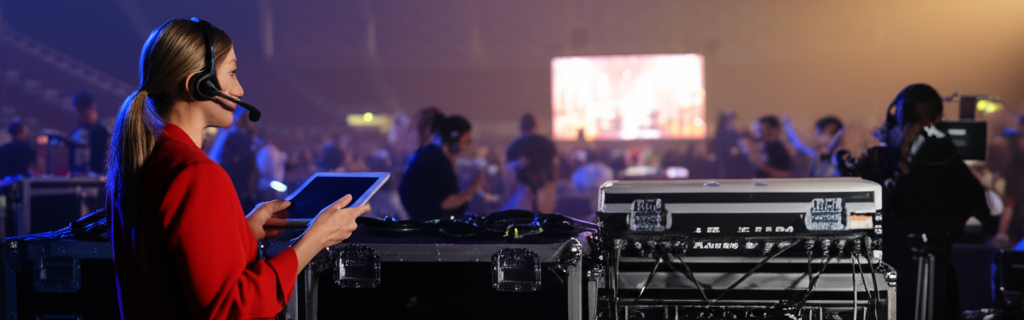
Elena Gonzalez
The Event Producer
Transformed events into valuable content assets through mobile recording
Read Story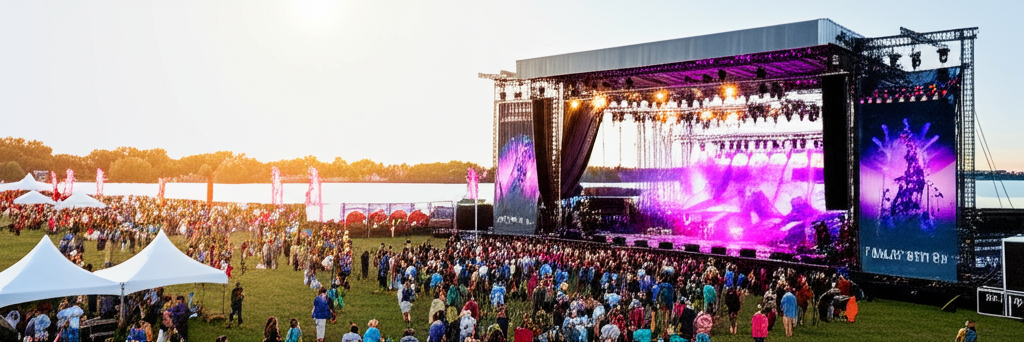
Riverfront Festival
The Music Festival
Developed comprehensive recording strategy across multiple stages
Read StoryDiscover More Success Stories
Explore how Elemental Sound has empowered creators across the audio industry
Browse All Client Stories